Modular construction often reduces on-site duration and can lower labor costs, while site-built offers more flexibility for complex designs. The total cost comparison depends on site conditions, project scale, and the extent of custom fabrication required.
- Modular construction shifts labor costs from the site to the factory, potentially reducing weather delays and on-site crew size.
- Site-built methods remain more cost-effective for highly custom or irregular designs where factory logistics do not apply.
- Total cost comparison must include transport, crane access, and foundation prep, not just the building shell.
- Timeline advantages of modular units are most visible in projects with strict delivery dates or constrained site access.
How the cost structure changes between methods
The financial difference between modular construction and site-built approaches starts at the project stage, not on the day work begins. In site-built construction, most labor and material costs are incurred on the job site. Crews are paid for the duration of the build. Material storage, weather protection, and security costs accumulate over months. A standard brick veneer wall might sit on a pallet for two weeks before installation. That idle material represents storage fees, insurance, and the risk of damage.
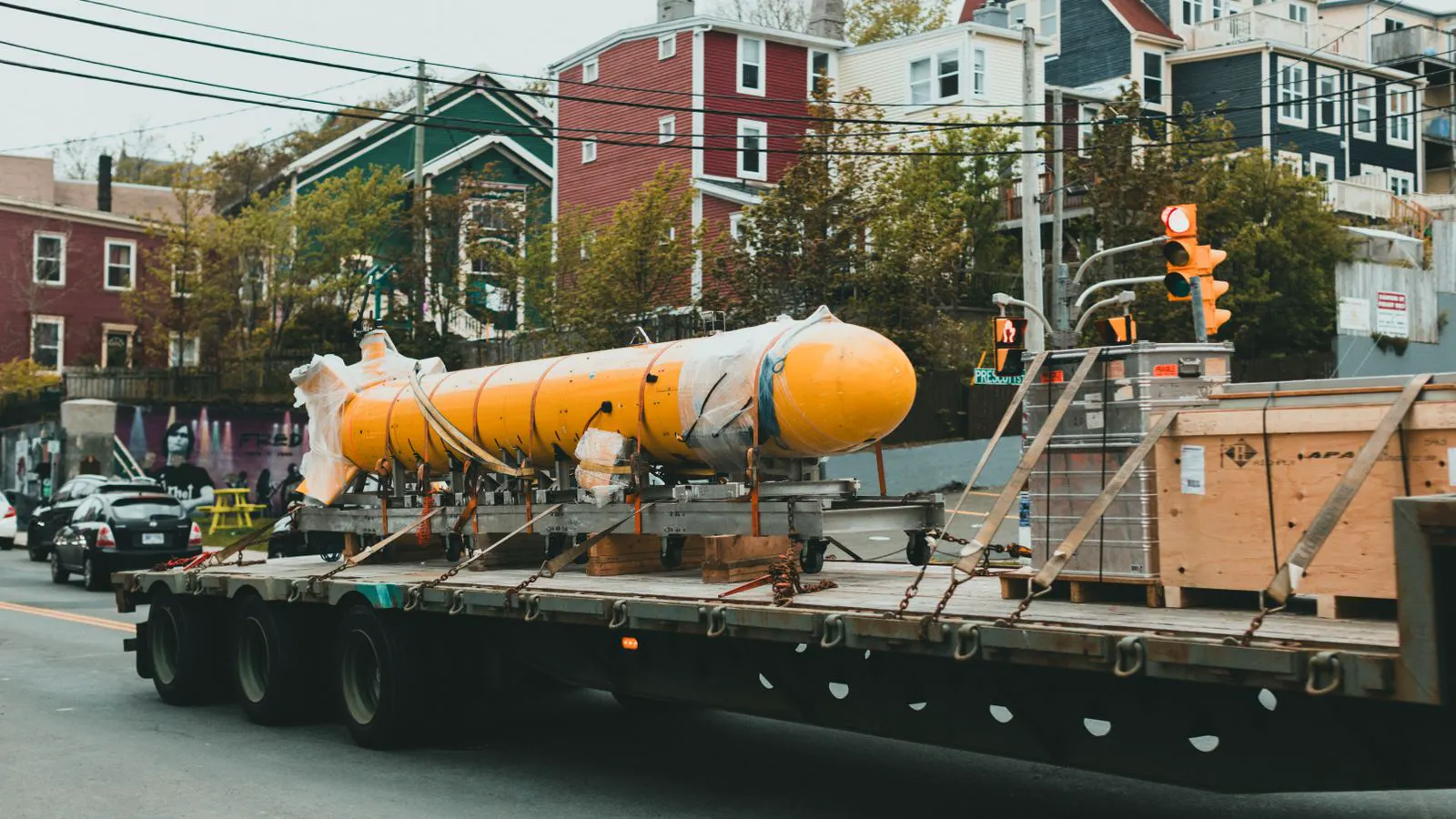
In modular construction, a larger share of work happens in a controlled factory. The factory crew works to a schedule, not a weather forecast. This reduces the need for extended on-site labor. However, it introduces new cost lines that site-built projects do not face. You must budget for transport, lifting equipment, and the specialized engineering needed to make components fit together quickly. A modular unit requires a specific transport trailer setup. The cost of that trailer, the permits for oversized loads, and the route surveying are line items that do not appear in a typical site-built budget.
A common mistake is comparing the price of a modular unit to the price of a site-built shell without including these additional costs. The unit price often looks higher. The total project cost may not be. When comparing two quotes, ensure both include the same scope. One quote might cover the building to the roofline, while the other includes interior finishes and mechanical systems. Aligning the scope of work before looking at the total price is the first step in a fair comparison.
What drives the timeline difference
Timeline comparison often favors modular construction because the critical path shortens. While the factory builds the modules, the site team can complete foundations, utilities, and site work in parallel. This overlap is the main scheduling benefit. A site team can pour footings for a five-story office while the factory is installing drywall on the second floor.
In site-built construction, most work is sequential. You pour foundations, build walls, install roofing, then run services. Each phase depends on the previous one. Weather interruptions can push the entire schedule back. If rain stops bricklaying for three days, the electrical crew cannot start the next day because the walls are not yet complete. This creates a bottleneck where one delay affects the whole project.
Modular construction does not eliminate weather risk. The site still needs dry conditions for foundation work and final connections. But the majority of the building is protected from the elements during assembly. The factory has a roof, a floor, and a controlled environment. Workers install windows and doors without worrying about rain or wind. This allows the factory team to maintain a steady production rate regardless of seasonal changes.
How site conditions affect the comparison
Not every site is suitable for modular delivery. Large cranes or mobile elevating work platforms may be required to place modules. If the site is in a dense urban area, or has limited access roads, transport costs can rise sharply. A standard modular unit often requires a 60-foot transport trailer. If the site access road is only 8 feet wide, the trailer may not turn. The engineer must map the route from the factory to the site, checking for overhead power lines, bridge weight limits, and road surface conditions.
Site-built construction adapts more easily to tight or irregular sites. Workers can bring materials in smaller quantities and build in stages. There is no need to move a 12,000-pound unit through a narrow alley. A site-built team can haul lumber and steel in standard trucks. They can lay out the frame piece by piece. This flexibility allows the builder to work in smaller zones of the building.
For remote locations with poor road access, both methods face challenges. Modular delivery may require road widening or temporary bridges. Site-built may require longer material hauls. The cost difference narrows when site logistics are difficult. If the site is in a mountainous region with steep grades, hauling small loads of concrete and steel up a narrow road can be as expensive as moving a heavy module. In such cases, the choice depends on which method minimizes the total movement of materials.
When modular construction wins on value
Modular construction tends to deliver value in projects with repetitive elements. Multi-unit housing, dormitories, staff accommodations, and light industrial facilities benefit from standardized bays and repeatable components. A school with 20 identical classrooms can have those classrooms built as separate modules. The factory team learns the process quickly and repeats it. The cost per unit drops as production volume increases.
The factory setting allows for tighter quality control. Defects found in the shop can be fixed before the unit leaves the plant. On a site, a mistake in the frame may require demolition and rework. If a stud is out of plumb on a site-built wall, the carpenter must cut it down and reinstall it. In a factory, the quality inspector can flag the issue immediately. The worker fixes it in minutes. This reduces the cost of rework and improves the final finish.
Procurement managers should consider modular construction when they need to reduce on-site labor exposure. If local skilled labor is scarce, the factory model can be a reliable alternative. It also simplifies commissioning. The building arrives with major systems installed and tested. The HVAC units are running in the factory. The electrical circuits are tested. The site team only needs to make the final connections to the building services. This reduces the time the building spends in a state of partial completion.
When site-built remains the better choice
Site-built construction remains the standard for highly custom projects. If the design involves complex geometry, long spans, or unique architectural features, factory production may become inefficient. A building with curved walls or irregular rooflines is difficult to break down into rectangular modules. The factory needs to build tooling and jigs for each unique piece. If the project is a one-off, that capital may not be recovered.
The cost of engineering a custom modular unit can exceed the cost of building it on site. The factory needs to build tooling and jigs for each unique piece. If the project is a one-off, that capital may not be recovered. Site-built methods also offer more flexibility during construction. If a design change is needed after the foundation is poured, the builder can adjust the frame. With modular units, changes may require rework in the factory, which can delay the entire shipment.
For example, if a client wants a change in the window size after the factory has already cut the openings, the module may need to be held. The factory cannot easily cut a new hole in a finished wall panel without damaging the surrounding structure. The site team might simply order a new window and install it. This flexibility is valuable when the design is still being refined during construction.
A practical comparison framework
Use the framework below to evaluate your specific project.
| Option | Best for | Limitations |
|---|---|---|
| Modular construction | Repetitive designs, tight schedules, labor shortages | High transport costs, crane access needs, limited site flexibility |
| Site-built construction | Custom designs, difficult site access, one-off projects | Weather delays, sequential scheduling, on-site labor risk |
| Hybrid approach | Mixed occupancy types, phased delivery, complex logistics | Coordination complexity, potential schedule conflicts between methods |
A hybrid approach can be effective. For example, you might use modular units for staff housing and site-built construction for the main facility. This splits the risk. The factory handles the repetitive part. The site team handles the complex part. This approach is common in hospital construction. The patient rooms are often modular because they are repetitive. The operating theaters are site-built because they require complex equipment integration and custom layouts. The project team must coordinate the delivery of the modules with the site work for the main building.
How to structure the total cost comparison
To make a fair comparison, break the budget into three buckets.
- Capital cost: This includes materials, labor, and factory overhead. For site-built projects, this is the bulk of the budget. For modular projects, it includes transport and lifting. The capital cost of modular construction often includes the cost of the transport trailer and the crane. These are one-time costs for a single project, but they can be significant.
- Site cost: This covers foundations, utilities, and site preparation. Both methods require this, but the scope may differ. Modular sites often need stronger foundations to support the modules. The foundation design must account for the weight of the finished unit. This can involve deeper footings or larger concrete pads.
- Risk cost: This is the value of time. If the schedule slips, what does that cost? Lost revenue, extended lease payments, or penalty clauses? The risk cost is often overlooked in early estimates. It is the hidden cost of uncertainty.
Modular construction often has a higher upfront capital cost due to transport and engineering. Site-built construction has higher risk cost due to weather and labor variability. If your project has a strict deadline, the risk cost of site-built delays may outweigh the higher capital cost of modular delivery. For a retail store that must open for the holiday season, a delay of two weeks can result in a loss of significant revenue. In that case, the higher upfront cost of modular construction may be justified by the certainty of the delivery date.
Common procurement mistakes
One frequent error is ignoring the foundation. Modular units are heavier and more rigid than site-built structures. The foundation must be engineered to handle the load. If the foundation is designed for a standard site-built building, it may need reinforcement. This adds cost that is easily missed in early estimates. A standard site-built foundation might be a shallow slab on grade. A modular unit may require a deeper foundation to support the weight of the finished building. The engineer must verify the load-bearing capacity of the soil and the depth of the footings.
Another mistake is underestimating the connection phase. The building is not complete when the modules arrive. You need to connect them, seal the joints, and integrate the services. This work is site-based and subject to weather. If you do not schedule this time, the final handover date will slip. The connection phase can take several days to several weeks, depending on the size of the building. It requires a skilled crew and specialized equipment. It must be included in the project schedule.
Finally, do not assume that modular means cheaper. In many cases, it is faster and less risky. The price tag may be higher. The value lies in the predictability of the schedule and the reduction of on-site labor exposure. The goal is not to find the lowest price. The goal is to find the best value for the specific project.
How to decide based on your constraints
Look at your project through three lenses.
First, look at the design. If it is repetitive and standard, modular construction is a strong fit. If it is unique and complex, site-built is likely better. A hospital with 100 identical patient rooms is a good candidate for modular construction. A museum with curved walls and large glass facades is a poor candidate. The design should be reviewed by both the factory engineer and the site engineer.
Second, look at the site. If access is easy and crane space is available, modular delivery is straightforward. If access is tight, site-built may be more practical. The site survey must include a check of the access roads, bridge weight limits, and crane radius. The site engineer must verify that the site can support the weight of the crane and the transport equipment.
Third, look at the schedule. If you need to open early or avoid a specific season, modular construction offers a scheduling advantage. If the schedule is flexible, the financial risk of site-built may be acceptable. The schedule should include a buffer for the connection phase and the final commissioning. The buffer should be based on the historical performance of similar projects.
The right choice is not always the cheapest option. It is the option that delivers the building on time with the least financial exposure. For procurement managers, the goal is to reduce uncertainty. Modular construction reduces schedule uncertainty. Site-built construction reduces design and logistics uncertainty.
Pick the method that aligns with your project’s specific risks. Do not choose based on reputation alone. Run the numbers. Check the site. Understand the labor market. Then make the decision.
Frequently asked questions
Is modular construction always more expensive than site-built?
Not necessarily. Modular construction often has higher transport and engineering costs, but it can reduce on-site labor and schedule risks. The total cost depends on the project scale and site conditions.
Can modular buildings be customized?
Yes, but customization has limits. Modular units are designed for efficiency, so highly unique features can increase costs and complicate production. Site-built construction offers more flexibility for custom designs.
How much does modular construction save on time?
It varies by project. The main benefit is overlapping site and factory work. This can reduce the total project duration by several weeks or months, depending on the size and complexity of the build.
What is the biggest risk with modular delivery?
Logistics. If the site is difficult to access or lacks space for cranes, the delivery and installation phase can become costly and complex. Site-built construction avoids these specific risks.
How do I compare the two methods fairly?
Use a total cost of ownership model. Include capital costs, site costs, and risk costs. Do not compare just the building shell price. Include transport, foundation prep, and schedule penalties.